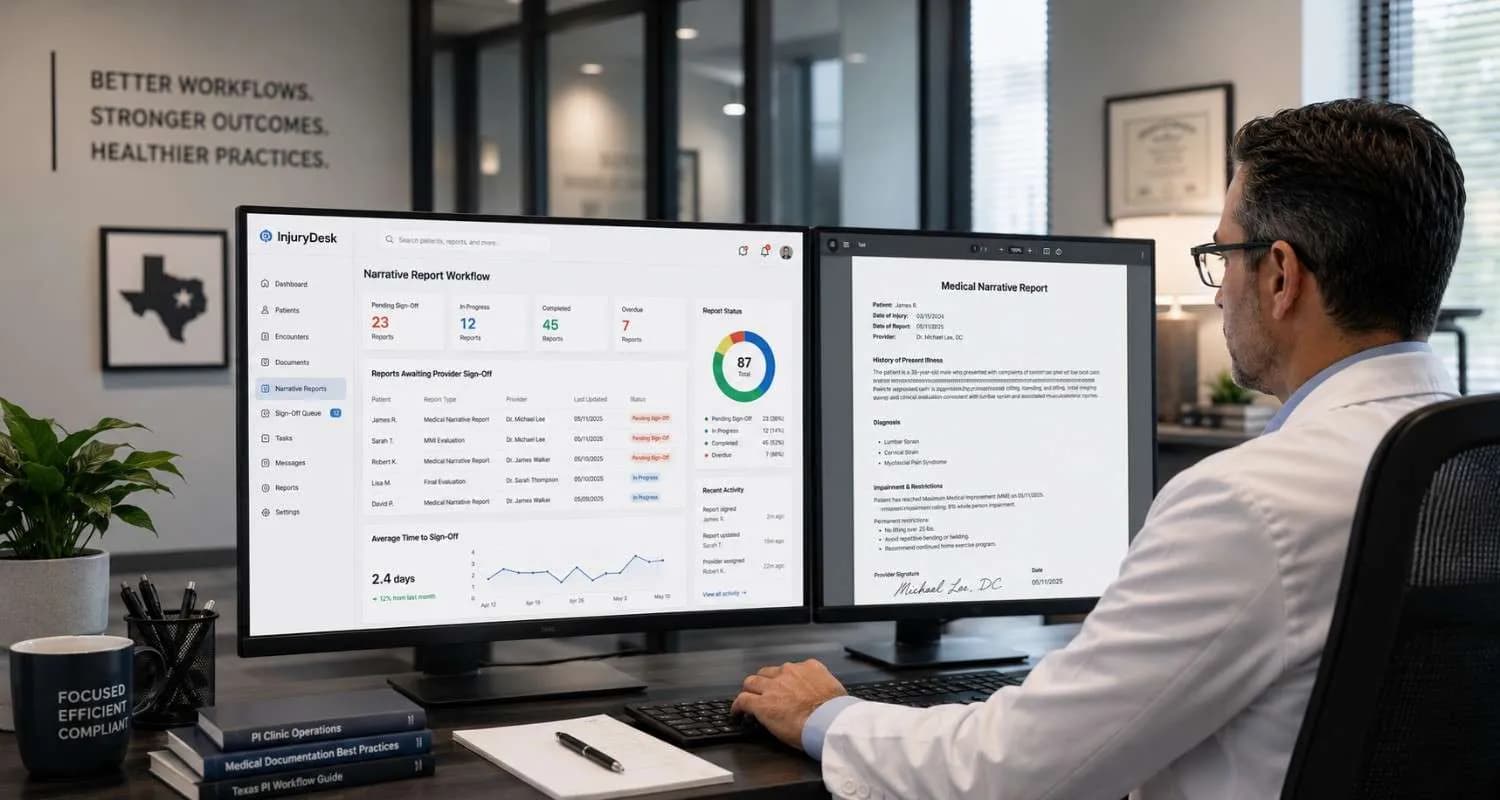
For medical practices in Houston—home to over 19,000 licensed physicians and a region adding 29,600 jobs from May 2024–May 2025—managing Legal Documentation Medical Backoffice can feel more burdensome than clinical care. Yet, it’s non-negotiable: 62% of Texas medical audits flag documentation errors, and Houston-area HIPAA fines surpassed $1.5 million in 2024. Beyond fines and audit risk, poor documentation erodes patient trust and invites legal challenges. Implementing streamlined, secure back-office workflows for legal paperwork not only ensures compliance but also frees your team to focus on patient care.
To truly implement comprehensive healthcare backoffice strategies and understand how meticulous administration underpins practice success, explore our Essential Backoffice Solutions for Healthcare Practices.
Core Legal Documents Every Houston Practice Must Master
Effective legal documentation management begins with a clear understanding of the essential documents your Houston practice must handle with utmost precision.
1. Patient Consent Forms
– Treatment Consent: Document that patients understand and accept proposed procedures.
– Telehealth Consent: Mandatory for virtual visits—outline risks, benefits, and data handling.
– Minor Consent: Neonatal and pediatric care require guardian signatures and age-specific disclosures.
Memorial Hermann’s digital consent system cut form-completion time by 60% and built an auditable record, improving both compliance and patient experience.
2. HIPAA Documentation
– Notice of Privacy Practices: Clearly state how PHI is collected, used, and shared.
– Business Associate Agreements (BAAs): Contractually bind vendors (billing, IT) to HIPAA standards.
– Authorization for Release of PHI: Ensure patients sign off on disclosures to insurers or family members.
Robust BAAs and up-to-date privacy notices guard against breaches—critical when Houston-area penalties exceed $1.5 million. Consider professional support in legal documentation.
3. Vendor & Employment Contracts
– Non-Compete/Non-Solicitation Clauses: Protect your practice’s goodwill and patient base.
– PHI Handling Protocols: Define exactly how third-party waste-disposal or billing vendors will secure patient data.
– Disaster Recovery Plans: Ensure vendors commit to rapid restoration of services after events like Gulf Coast storms.
A Katy cardiology group prevented a $200,000 data-ownership dispute by embedding clear PHI and recovery clauses in every vendor contract.
Organizational Strategies for Compliance
Managing a growing volume of legal documents demands strategic organizational approaches to ensure accessibility, integrity, and compliance.
Centralized Digital Repository
Abandon scattered paper files and siloed folders. Adopt a secure, cloud-based document management system—preferably with Houston-area data centers for compliance and speed. Centralization ensures that patient consents, HIPAA policies, and contracts are easily searchable, backed up, and protected under AES-256 encryption.
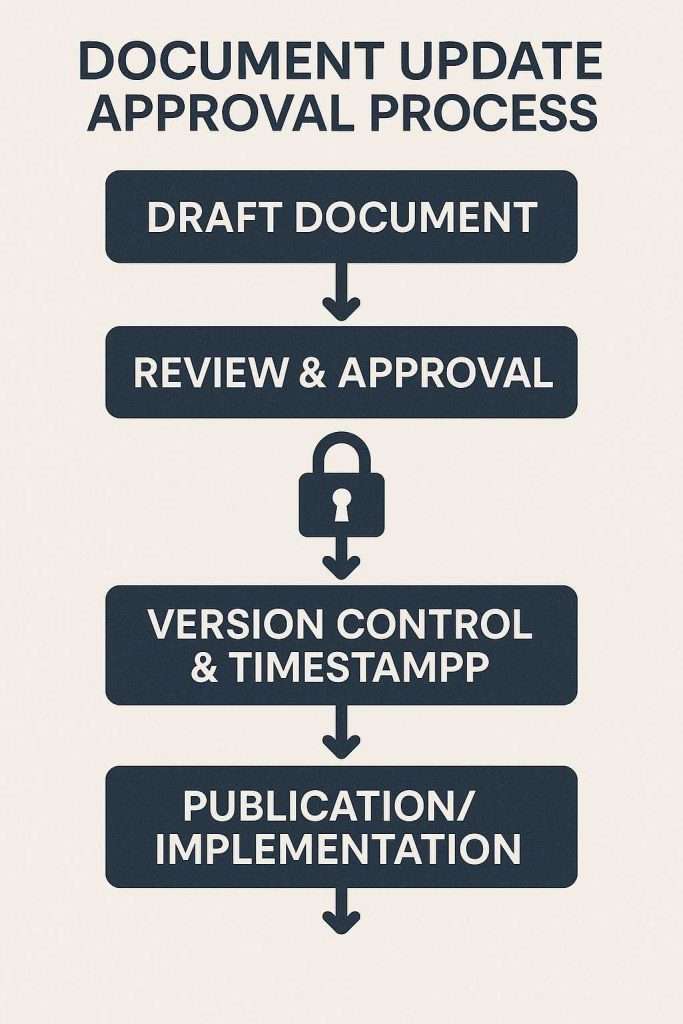
Version Control Protocols
Legal documents evolve. Institute automated version control that:
- Timestamps All Updates: Every change to consent forms or policies is logged with user and date.
- Archives Superseded Versions: Keeps historical records for audits while displaying only current forms.
- Maintains Detailed Change Logs: Tracks who changed what and why—essential for HIPAA and Texas Medical Board reviews.
Security Measures for Sensitive Documentation
Even with organized systems, the digital nature of Legal Documentation Medical Backoffice requires stringent security measures to protect sensitive information.
Encryption & Access Tiering
Protect PHI in transit and at rest with AES-256 encryption. Layer access by role:
- Clinical Staff: Full access to patient records.
- Billing Team: Access limited to financial data only.
- Front-Desk: Appointment and basic demographic access—no PHI details.
Follow NIST guidelines to enforce least-privilege access and rotate encryption keys annually.
Audit Trail Implementation
Deploy logging that captures every view, edit, or download of legal documents. Houston ENT specialists use audit systems that pinpoint user ID, timestamp, and action—critical for HIPAA compliance and rapid breach investigations. For a holistic approach to secure patient data handling, learn more about secure patient data handling.
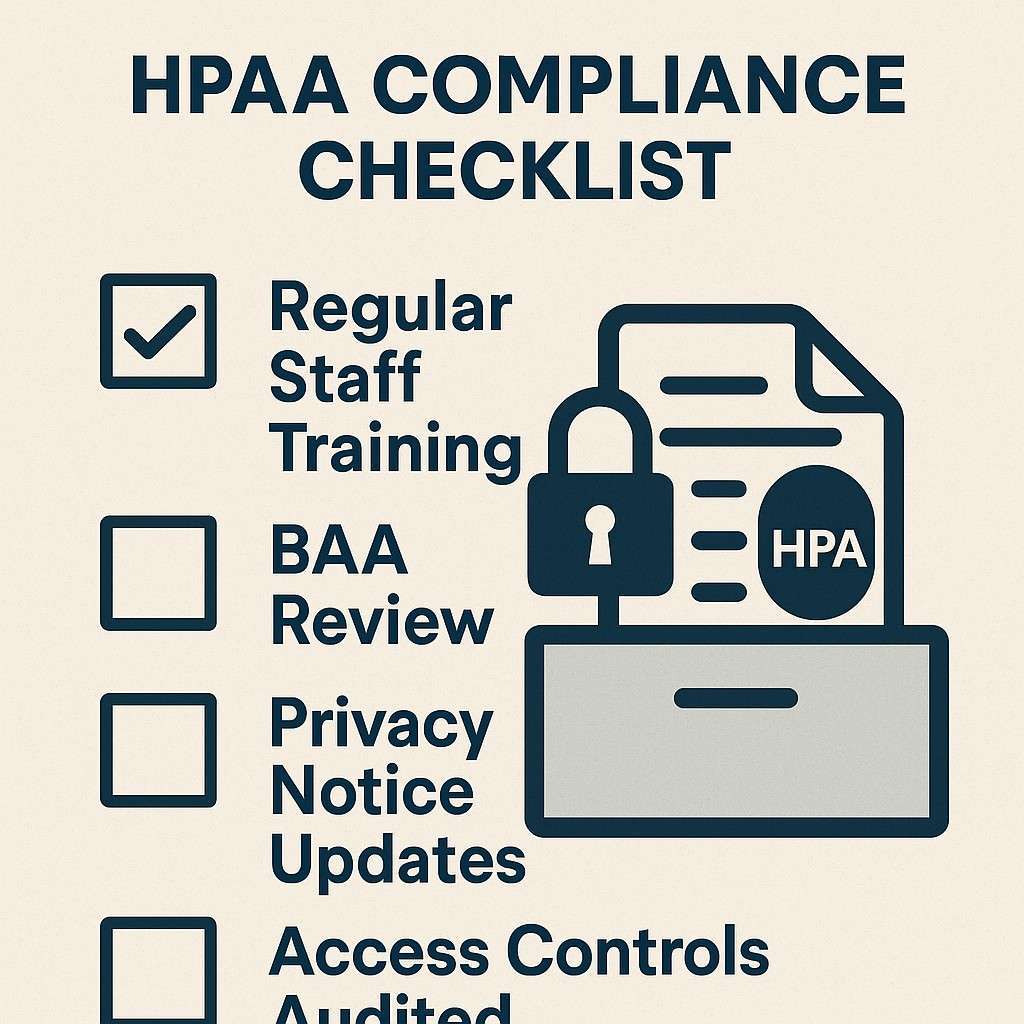
Compliance Maintenance Checklist
Task | Frequency |
Review & update consent forms | Quarterly |
Validate Business Associate Agreements | Annually |
Audit access logs & permissions | Monthly |
Test disaster-recovery backups | Quarterly |
Conduct staff HIPAA training | Biannually |
Engage staff through interactive drills: simulate a PHI breach response, practice updating telehealth consent templates, and run mock audits to reinforce protocols.
Conclusion
Effective legal-documentation workflows underpin both compliance and operational efficiency for Houston medical practices. By mastering consent-form management, audit-proof HIPAA documentation, robust contracts, centralized repositories, version control, and stringent security measures, practices can prevent up to 83% of compliance complaints linked to documentation errors. A streamlined back-office not only mitigates risk and fines but also strengthens patient trust—allowing your team to focus on delivering exceptional care.
Explore our specialized Essential Backoffice Solutions for Healthcare Practices to transform your legal documentation into a competitive advantage.
Next step
See how Synectus closes the handoff after the lead arrives.
If this article describes the exact gap inside your clinic, go one layer deeper into the service stack or book a direct strategy call with Synectus.