Purpose-Built PI Clinic Software — Texas
The only software built for how Texas PI clinics actually operate.
InjuryDesk is PI clinic workflow software for Texas personal injury clinics — not case management software for law firms. Developed by Synectus, it connects patient intake, LOP and lien tracking, medical records and documentation turnaround, attorney coordination from the clinic's side, medical billing, and case status tracking in one system built around the PI patient journey, with transparent pricing from $500–$1,500/month.
Jane App books appointments. DrChrono manages records. CASEpeer and Filevine are built to run the attorney's side of a case, not the clinic's. InjuryDesk connects intake, LOP and lien tracking, medical records turnaround, attorney coordination, billing, and case status tracking in one system built around how a PI clinic — not a law firm — actually operates.
InjuryDesk
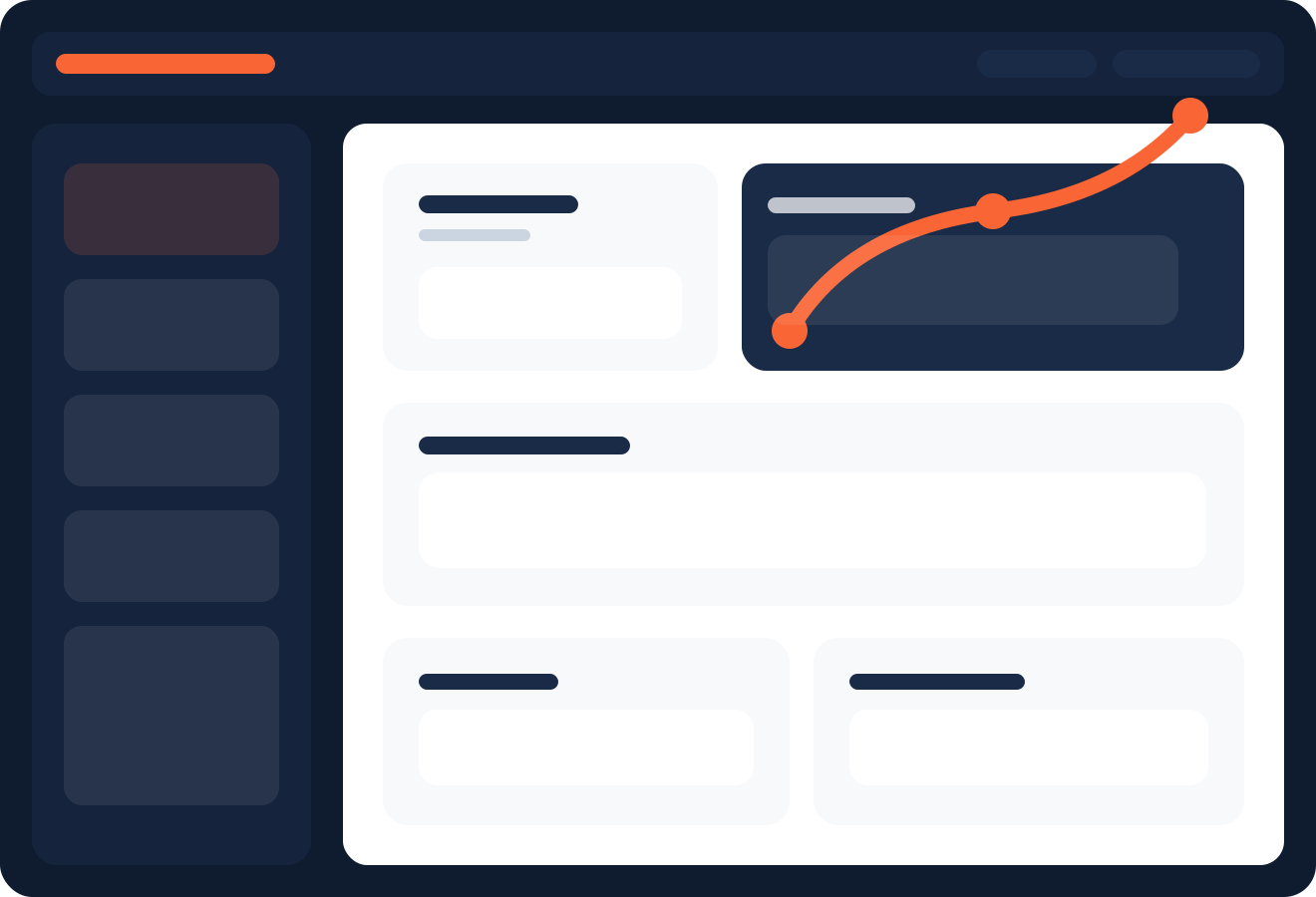
PI workflow visibility
Why generic software fails PI clinics
Generic practice management software was not built for the PI workflow.
The problem is not missing features — it is that the workflows PI clinics depend on most live entirely outside what general-purpose platforms were designed to handle.
Schedulers like Jane App do not understand PI
Jane App can book a visit. It cannot model lien documentation, attorney coordination, case status tracking, or the administrative pacing that PI cases require from intake to settlement.
EMRs like DrChrono were not built for injury workflow
DrChrono manages clinical records. It was not designed around LOP management, attorney communication workflows, or the legal-adjacent operations that define how a PI clinic actually runs.
Spreadsheets and shared inboxes become the real system
When the software does not cover the real work, clinics build their actual PI workflow in spreadsheets and email. That creates delays, missed follow-ups, and zero visibility when cases stall.
Product features
Every core PI clinic workflow connected in one system.
Feature 1
Patient Intake & Scheduling
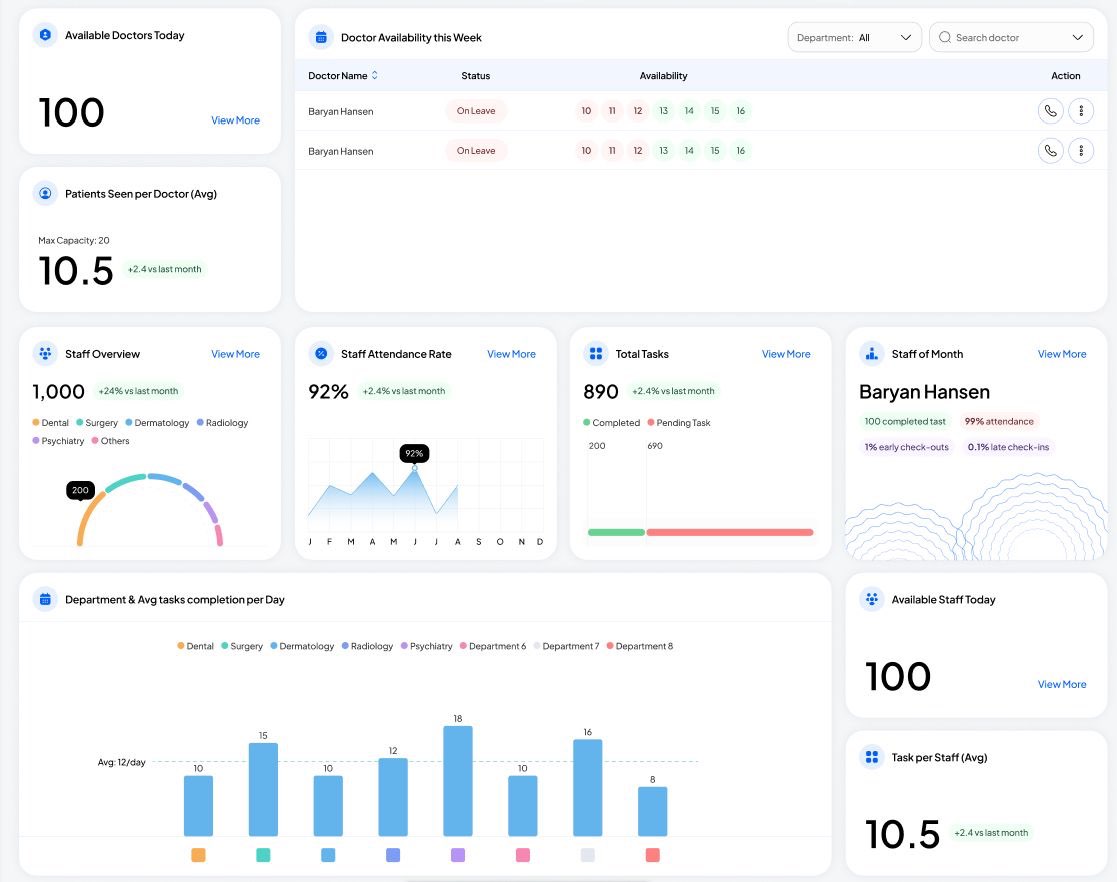
Capture every PI patient enquiry, qualify it against case criteria, and move patients into the right provider schedule with the legal context of the case already attached — so intake is not just a booking, it is the start of a documented PI case record.
InjuryDesk
Live PI intake pipeline
Feature 2
LOP & Attorney Document Management
Keep Letters of Protection, attorney correspondence, and supporting case documents organised in a single workflow instead of scattered across inboxes, shared drives, and individual staff knowledge. Every document has a status, an owner, and a next action.
InjuryDesk
Attorney-ready document workflow
Feature 3
Medical Billing & Claims
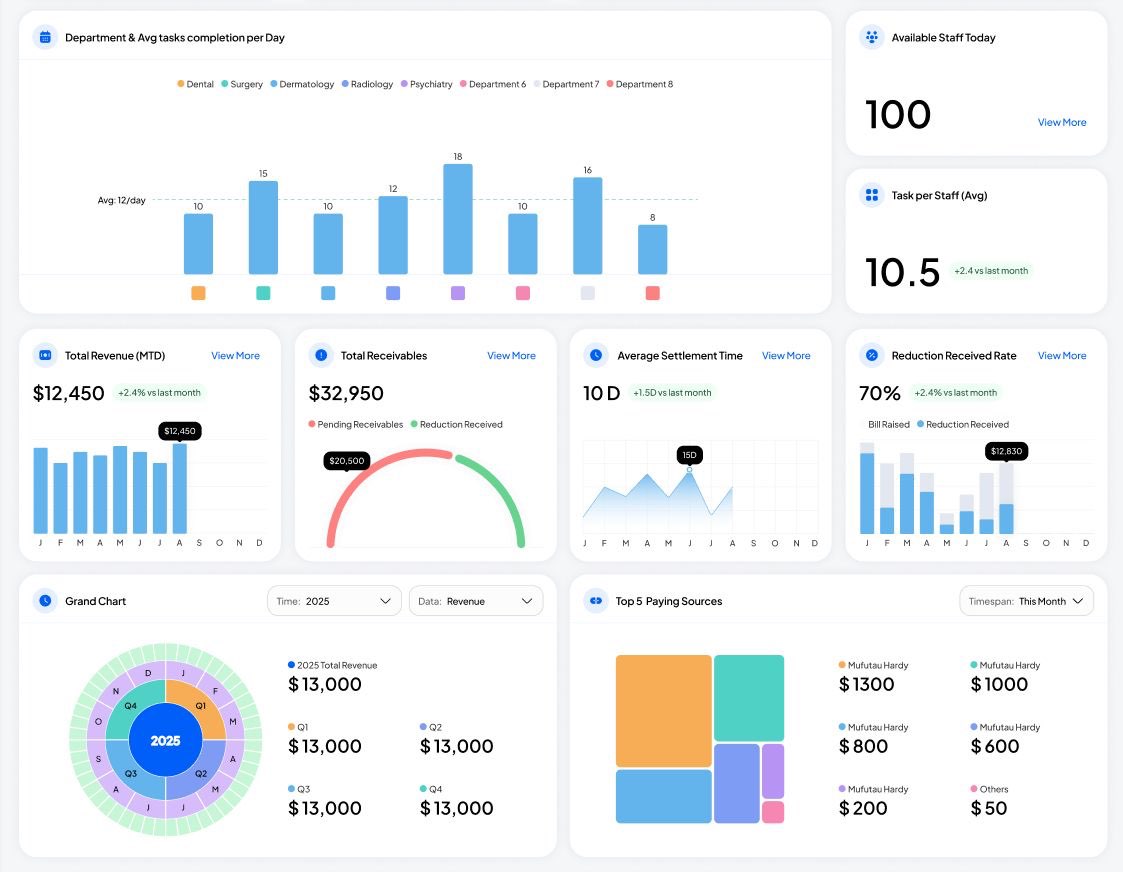
Track billing status, missing documentation, and claim dependencies in one place so collections do not stall while your team searches across systems for the details that should already be together.
InjuryDesk
Billing and claims queue
Feature 4
Case Status Tracking
See every active PI patient and case across the full lifecycle — from intake through treatment, billing, attorney coordination, and settlement milestones — with clear ownership at each stage so nothing falls through the cracks between departments.
InjuryDesk
PI case lifecycle visibility
Feature 5
Reporting & Analytics
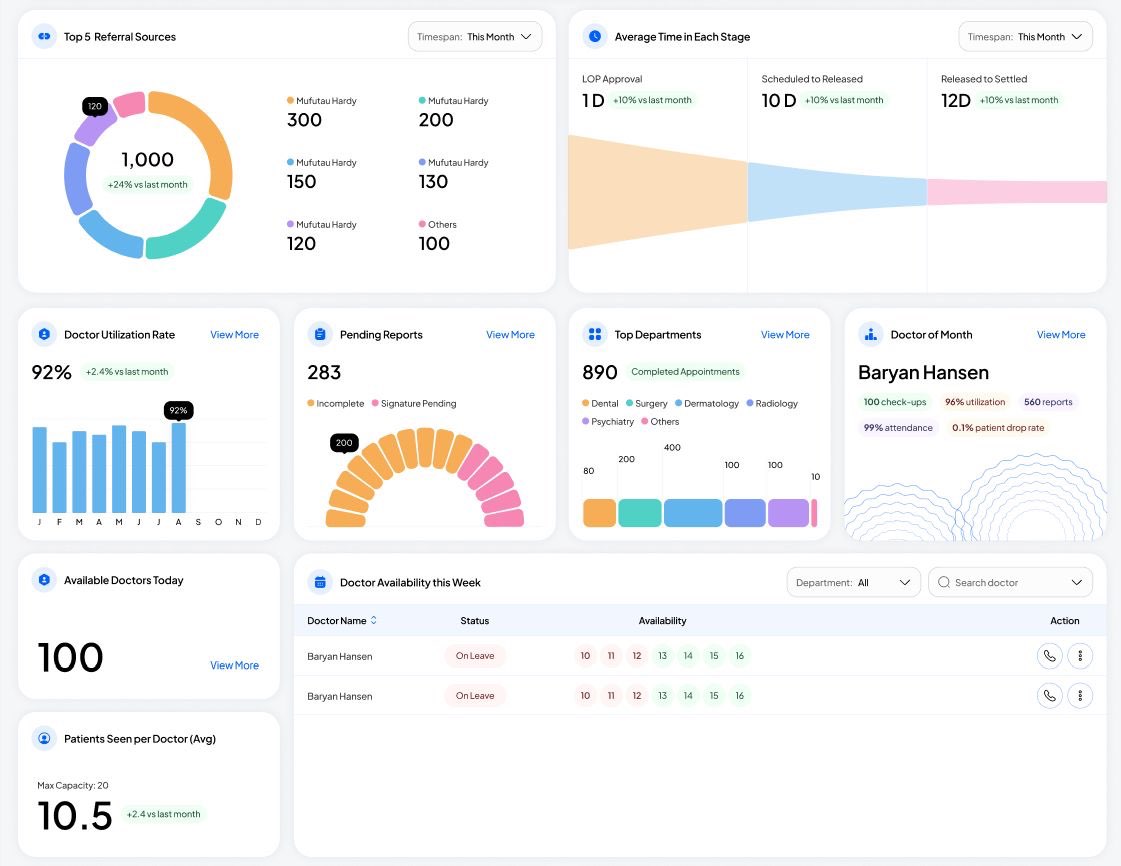
Measure patient throughput, operational bottlenecks, billing performance, and revenue-impacting issues across the clinic in real time — so leadership decisions are based on live operational data, not end-of-month surprises.
InjuryDesk
PI clinic operational reporting
Two deployment options
Software-only or software plus a managed operations team.
Option 1
Software Only
$500–$1,500/month
For PI clinics that want purpose-built workflow software and will run daily operations in-house. Your team uses InjuryDesk. Synectus handles onboarding, integration, and ongoing support.
Request DemoOption 2
Software + Managed Operations
Bundled with Synectus services
For PI clinics that want InjuryDesk plus a Synectus operations team running intake, billing coordination, records management, and lien workflow on their behalf. One system. One team. Full PULSE Method.
Book Strategy CallHIPAA-conscious operations
Built for operational speed. Designed with data discipline.
InjuryDesk uses role-based access controls, documented workflow ownership, and scoped data visibility so your clinic can move fast on intake, billing, and legal coordination without creating HIPAA exposure in the process.
Why clinics switch
The software matters because it replaces scattered status with one operating view.
InjuryDesk is not positioned as general clinic software with PI terminology layered on top. The product exists because PI clinics repeatedly hit the same operational ceiling: case status lives across inboxes and spreadsheets, lien workflow is handled through memory and message threads, and leadership has to reconstruct what is happening from scattered systems that were never built to talk to each other.
That is why the product page spends so much time on workflow rather than UI alone. The real value of InjuryDesk is the operating discipline it allows a clinic to enforce once visibility, ownership, and status movement are finally held in one system instead of across informal workarounds.
Strong-fit signals
InjuryDesk fits best when PI workflow clarity is already a daily need.
You need PI-specific visibility more than another generic practice management layer
The biggest cost today comes from unclear case status, scattered documents, or delayed follow-up
Software only helps if it reduces manual reconstruction work for leadership and staff
Attorney software vs. clinic software
Searching “PI case management software”? Here's the difference.
Most personal-injury case management software — CASEpeer, Clio, Filevine — is built for the law firm handling the case. InjuryDesk is built for the clinic treating the patient. Same case, two different operating systems, two different buyers.
| PI case management software for law firms (e.g. CASEpeer, Clio, Filevine) | InjuryDesk | |
|---|---|---|
| Built for | The personal-injury law firm (attorney's side). | The personal-injury clinic (provider's side). |
| Primary user | Plaintiff attorneys and legal staff. | Clinic operations and front office. |
| Lien view | The firm's lien position. | The clinic's LOP and lien documentation and follow-up. |
| Records | Requested from providers. | Created and organized by the clinic, legal-ready. |
| Billing | Legal billing and firm trust accounting. | Medical billing and claims tied to LOP and lien status. |
| Attorney communication | Internal to the firm. | Between the clinic and referring attorneys. |
CASEpeer, Clio, and Filevine are case-management platforms built for personal-injury law firms — the attorney's side of the case. InjuryDesk is built for the treating clinic — the provider's side. If you searched for personal-injury case management software, that attorney-side category is likely what you found; InjuryDesk solves a different problem for a different buyer.
Request a demo
See InjuryDesk running on a real PI clinic workflow.
We will walk you through how InjuryDesk handles intake, lien documentation, attorney coordination, billing, and case tracking for a clinic like yours. Takes 20 minutes. No sales pitch.
InjuryDesk FAQ